
-
Email Us
sergeantsepticga@gmail.com
-

Call Us Now
(478) 449-1288

Most homeowners in Warner Robins don’t give their septic system a second thought until something goes wrong. By that point, the damage to your drain field may already be done, and a full replacement runs anywhere from $5,000 to $20,000 depending on your property and soil conditions.
The good news? Drain field problems almost always announce themselves before they fail completely. You just have to know what to look for. Below are seven warning signs Central Georgia homeowners should never ignore, plus what to do the moment you spot them.
Your septic system has two main parts: the tank and the drain field (sometimes called the leach field or absorption field). The tank holds solid waste while bacteria break it down. Liquid effluent then flows into a series of perforated pipes buried in your yard, where the soil filters and absorbs the water naturally.
When the drain field stops working, wastewater has nowhere to go. That’s when problems start showing up in your house, your yard, and eventually your wallet.
If the grass over your drain field looks noticeably greener, taller, or thicker than the rest of your yard, your system is leaking nutrient-rich wastewater into the soil. A healthy drain field shouldn’t boost your lawn. If it does, the field is starting to fail.
One slow drain might just be a clog. But when multiple fixtures get sluggish at the same time, the cause is almost always septic. If your bathroom sink, kitchen sink, and shower are all draining slowly, the system is struggling to push wastewater out into the field.
A working septic system should be invisible to your nose. If you smell sewage anywhere on your property, especially near the tank lids or out over the drain field, untreated waste is making its way to the surface or saturating the surrounding soil.
After one of those heavy Georgia thunderstorms, some pooling around the yard is normal. But if you see standing water or persistent wet spots over your drain field on dry days, that water isn’t coming from above. It’s rising up from a saturated, failing field.
Listen the next time you flush. A gurgling toilet or drain means air is getting trapped because waste can’t move through the system normally. It’s one of the earliest warnings of a coming backup, and the easiest sign to dismiss.
This is the sign no homeowner wants to see. When wastewater starts coming up through the lowest drains in your home, usually basement floor drains, downstairs tubs, or first-floor toilets, the drain field can no longer accept what the tank is sending. Stop using water immediately and call for help.
Similar to Sign #1, but specific to the lines themselves. If you can see exactly where your drain lines run because the grass directly above them is taller and greener than everything around it, water isn’t soaking deep enough into the soil. It’s hanging too close to the surface, which means the field is working too hard.
The clay-heavy soil across Bibb, Houston, Monroe, and Crawford counties makes our region especially tough on drain fields. Clay drains slowly to begin with, and when it gets saturated by heavy spring or summer rain, the field has even less capacity. Add in years of skipped pumpings, household products that kill the bacteria in the tank, or tree roots invading the lines, and a field that should last 25 to 30 years can fail in 10 or 15.
The most common culprits we see in Warner Robins, Macon, and the surrounding service area:
A drain field problem caught early is often a manageable repair. A drain field problem ignored for months becomes a full replacement, plus potential damage to your home’s plumbing, your yard, and even your foundation if water backs up against the house. Worse, raw sewage that surfaces on your property is a public health hazard. Georgia EPD regulations require homeowners to address failed septic systems promptly, and an unfixed failure can stall a future home sale or trigger a county notice. The cheapest fix is always the one you catch in week one rather than month six.
Don’t wait. A failing drain field will not heal itself, and every day you delay raises both the cost and the health risk to your family.
Once you know the warning signs, prevention is straightforward. Pump your tank every three to five years depending on household size. Spread laundry across the week instead of doing five loads in one day. Keep grease and non-flushable items out of every drain. And know exactly where your drain field is buried so you never park, build, or plant on top of it.
With proper maintenance, drain fields typically last 20 to 30 years in our area. Heavy clay soil, neglected pumping, or root intrusion can cut that lifespan in half.
It depends on the cause. Pumping the tank, removing roots, or relieving compaction can sometimes restore function. Once the soil itself is saturated and biologically dead, replacement is usually the only option.
Most Central Georgia homeowners spend between $5,000 and $15,000 for a full drain field replacement, depending on size, soil conditions, and county permit requirements.
Reduce water use immediately and avoid the saturated yard area. If sewage is backing up indoors, call a professional right away and avoid contact with any affected water.
Spotting one or more of these signs at your home in Warner Robins, Macon, Centerville, Bonaire, or anywhere across our service area? Don’t wait until raw sewage hits your yard or your floors. Schedule a drain field inspection with Sergeant Septic and Rooter online, or give us a call for faster service.
Schedule online: Schedule an appointment
Or contact us: Contact Sergeant Septic
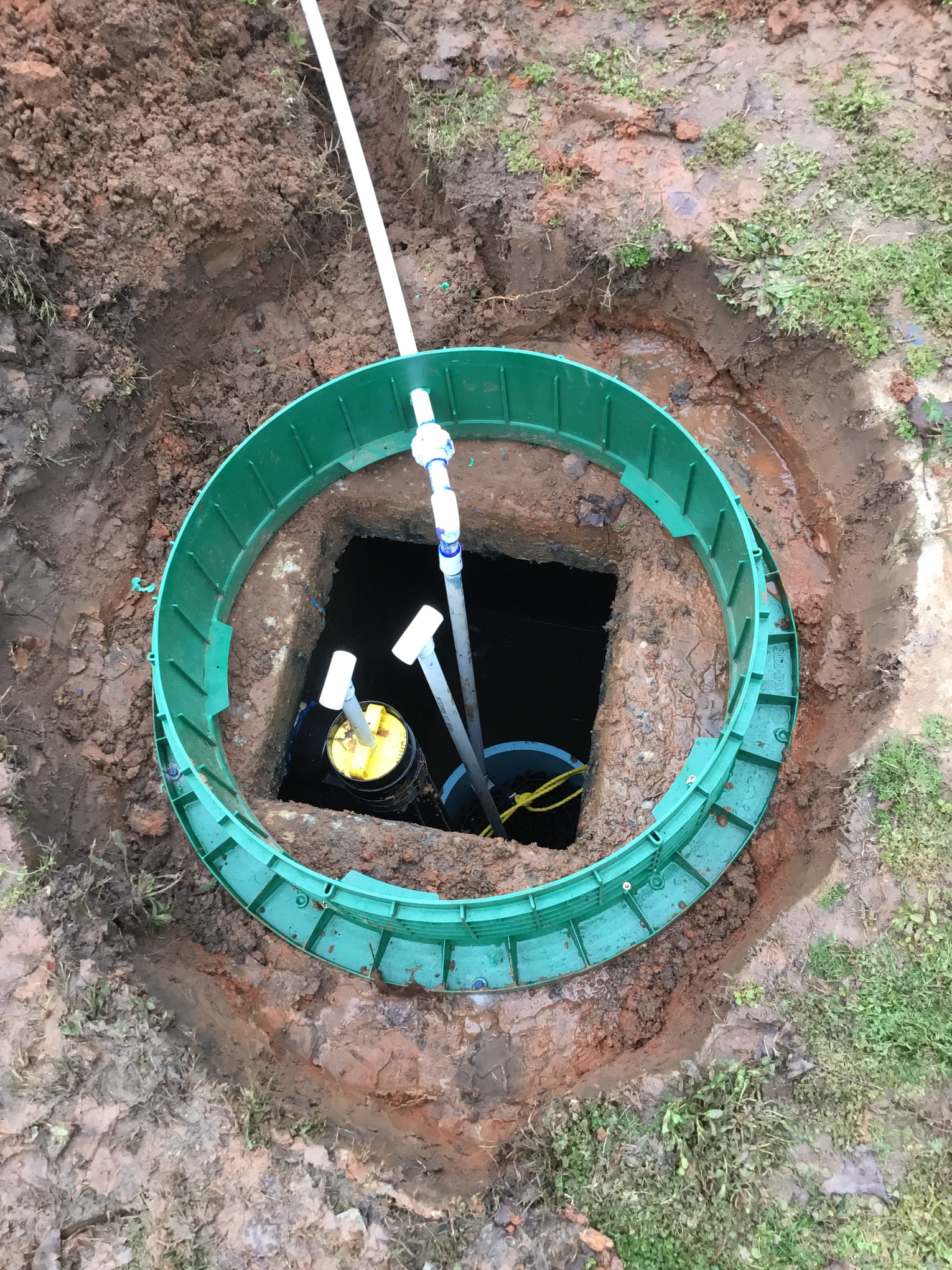
For homes that rely on a septic system, even small habits can make a big difference in how efficiently the system operates. One of the most common causes of septic issues is using the wrong kind of toilet paper or using too much at once. While toilet paper may seem harmless, certain types break down slowly and can accumulate in the tank, creating clogs and backups. Knowing how to choose and use septic safe toilet paper helps protect your system, avoid costly repairs, and ensure wastewater flows smoothly. Sergeant Septic & Rooter helps homeowners maintain clean, efficient systems through proper education and service.
Every time you flush, waste and toilet paper enter the septic tank, where solids separate from liquids. The liquid flows to the drain field for filtering, while solids settle at the bottom of the tank. If toilet paper does not dissolve quickly, it can remain suspended in the tank and clog the pipes or outlet filter. Over time, this buildup can lead to blockages that prevent the tank from working correctly. Non septic safe paper and excessive use are two of the main reasons homeowners experience unnecessary backups or require premature pumping and maintenance.
Not all toilet paper is designed for septic systems. Some brands contain thicker fibers, multiple plies, or additives that slow the breakdown process. Look for packaging labeled “septic safe” or “rapid dissolving,” as these products are made to break apart more easily in water. Single ply paper generally dissolves faster than multi ply options. A simple test can help you decide which brand works best. Place a few sheets in a jar of water, shake it gently, and check how quickly it disintegrates. Sergeant Septic & Rooter recommends using soft but fast dissolving paper to keep your system flowing efficiently.
Even septic safe toilet paper can cause issues when used in large amounts. Using too much paper at once can overwhelm the tank’s natural breakdown process, leading to partial clogs or reduced capacity. Encourage everyone in your household to use only what’s necessary and avoid flushing large wads. If additional paper is needed, consider flushing twice to allow smaller amounts to pass through smoothly. Consistent moderation helps reduce strain on your septic system and lowers the risk of buildup. A few small changes in daily habits can make a big difference in long term septic performance.
Despite marketing claims, most flushable wipes and similar products are not truly safe for septic systems. They are made from synthetic fibers that do not break down easily and can create blockages in pipes or the tank. The same applies to paper towels, tissues, and feminine hygiene products, which can tangle with waste and restrict flow. Only human waste and toilet paper should be flushed into a septic system. Sergeant Septic & Rooter often finds that homeowners who eliminate non flushable items experience fewer clogs and longer periods between required pumping services.
Even with careful toilet paper use, every septic tank needs regular maintenance to stay efficient. Over time, natural waste and paper solids build up and must be removed through professional pumping. Neglecting this service can cause backups, foul odors, or even system failure. Most homes need pumping every three to five years, depending on household size and water usage. Regular pumping not only removes buildup but also allows technicians to inspect filters and baffles for early signs of wear. Sergeant Septic & Rooter provides reliable pumping services that keep systems functioning properly and prevent paper related clogs.
Healthy bacteria inside the septic tank play a major role in breaking down waste and toilet paper. Harsh cleaning chemicals, bleach, or antibacterial products can kill these beneficial microorganisms and slow the breakdown process. To maintain proper bacterial activity, use septic safe cleaners and avoid pouring chemicals down the drain. Some homeowners also use bacterial additives recommended by professionals to support decomposition. Maintaining this balance ensures that waste and paper break down efficiently, reducing the chance of buildup or system failure. A healthy microbial environment helps your septic system work as nature intended.
Catch problems early by paying attention to slow flushing toilets, gurgling drains, or unusual odors. These are often the first indicators that a clog is forming in your tank or pipes. Addressing these issues right away prevents larger and more expensive repairs. A professional inspection can identify whether toilet paper buildup or another issue is to blame. Sergeant Septic & Rooter offers prompt diagnostics and maintenance services to restore normal flow before problems worsen. Staying alert and proactive is the best way to protect your septic system and avoid unexpected plumbing emergencies.
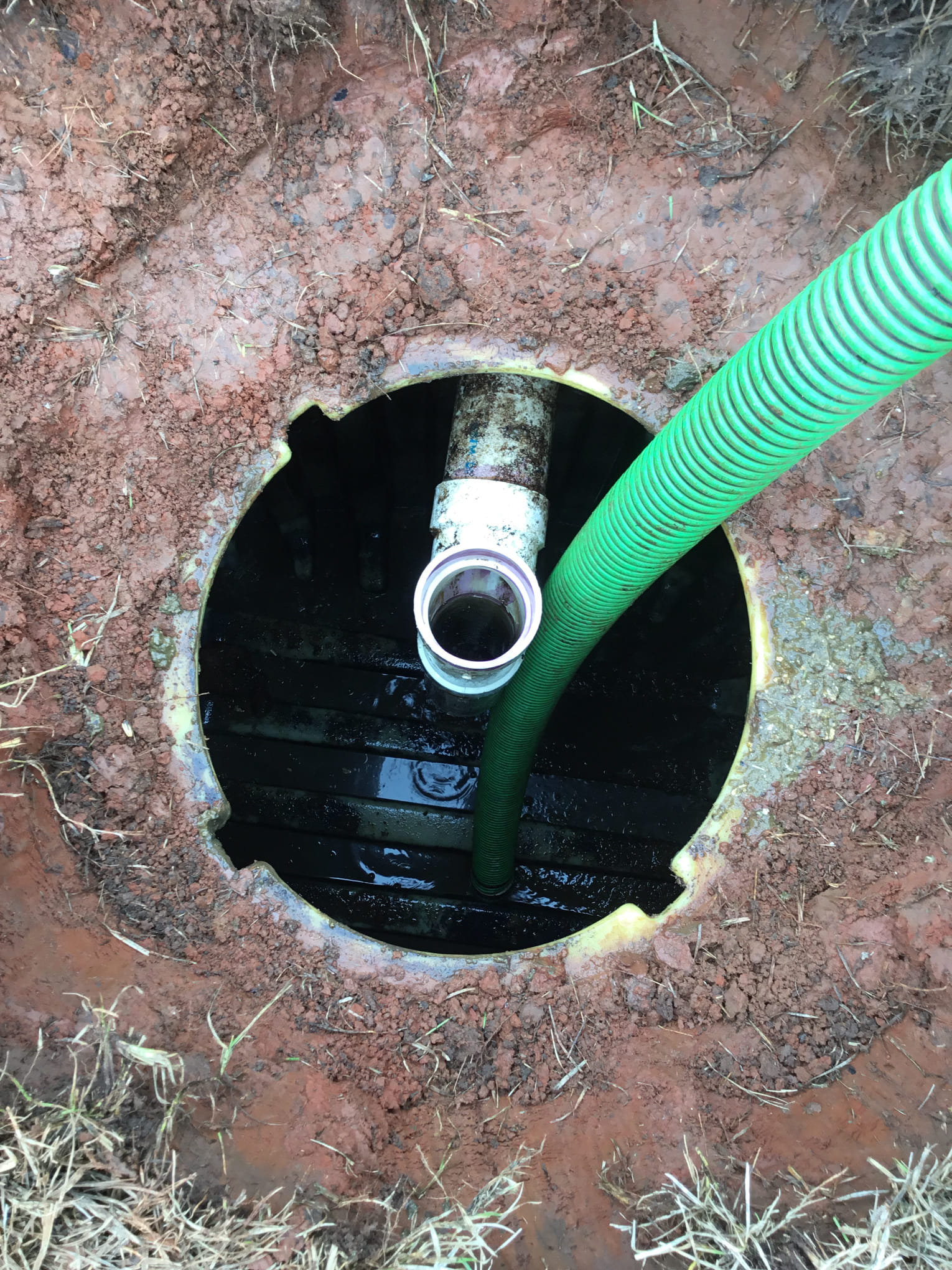
Your septic tank quietly manages one of the most important functions in your home, keeping wastewater flowing safely and efficiently. Over time, however, solids and sludge build up inside the tank and must be removed to prevent backups and costly repairs. Waiting too long between pumpings can lead to slow drains, foul odors, and system failure. Knowing the signs of a full septic tank helps homeowners act before problems begin. Regular maintenance keeps your system running smoothly, protects your property, and extends the life of the entire setup. Sergeant Septic & Rooter provides reliable pumping services that ensure your septic system performs at its best year after year.
Most septic tanks need pumping every three to five years, depending on the household size, tank capacity, and water usage. Larger families or homes with heavy water consumption may need more frequent service. The key is to schedule routine inspections rather than waiting for signs of trouble. A professional technician can check sludge levels and recommend the right pumping schedule for your system. Regular maintenance prevents overflow and damage to the drain field, saving homeowners from costly repairs later. Staying on top of your pumping schedule is one of the simplest ways to ensure your septic system stays clean, healthy, and fully functional.
When a septic tank reaches capacity, wastewater has less room to separate properly, causing drains to slow or gurgle. You may notice sinks, showers, or toilets taking longer to empty or making bubbling noises as air escapes from clogged pipes. These are early warning signs that your tank may be nearly full. Ignoring these symptoms can lead to backups inside the home or wastewater surfacing in the yard. If you experience slow drainage throughout the house rather than in one fixture, it is likely related to the septic system and not a local plumbing blockage. Prompt pumping service can restore smooth flow before serious issues arise.
A healthy septic system should operate without producing noticeable smells. If you begin to smell sewage odors near drains, toilets, or around the yard, it may be a sign that the tank is full or the drain field is struggling to process waste. Gases that normally stay contained in the system can escape when sludge builds up, creating unpleasant and unhealthy conditions. These odors often start mildly and grow stronger over time. Addressing them early prevents contamination and more extensive repairs. Professional pumping removes the excess waste and allows your septic system to function properly again, eliminating the source of the smell.
When your septic tank is too full, wastewater can overflow into the drain field, saturating the soil and creating soggy, foul-smelling patches in the yard. You may also notice unusually lush or green grass above the tank or drain lines because of the excess nutrients leaking from the system. Standing water near these areas indicates that waste is not dispersing correctly underground. This issue should never be ignored, as it can lead to environmental contamination and system damage. If you spot wet spots or unexplained moisture on your property, contact Sergeant Septic & Rooter immediately for an inspection and professional pumping.
One of the most obvious and urgent signs of a full septic tank is wastewater backing up into the home. This usually starts in the lowest plumbing fixtures, such as basement drains or first-floor toilets. The backup occurs when the tank can no longer hold additional waste, forcing it back through the plumbing system. This creates not only a mess but also a serious health hazard. When this happens, stop using water immediately and call a professional septic service. Timely pumping and cleaning will remove blockages and restore safe operation before further damage occurs.
Preventing septic problems is much easier and more affordable than repairing them after they occur. Routine pumping helps maintain proper waste balance, keeps pipes clear, and ensures bacteria inside the tank can continue breaking down solids effectively. It also provides an opportunity for technicians to inspect the tank and catch small issues before they become major ones. Sergeant Septic & Rooter recommends regular maintenance plans that fit your household’s needs, helping you avoid emergencies and keep your system in top condition. A well-maintained septic tank is a long-lasting one, protecting both your property and your investment.
 (478) 449-1288