-
Email Us
sergeantsepticga@gmail.com
-

Call Us Now
(478) 449-1288
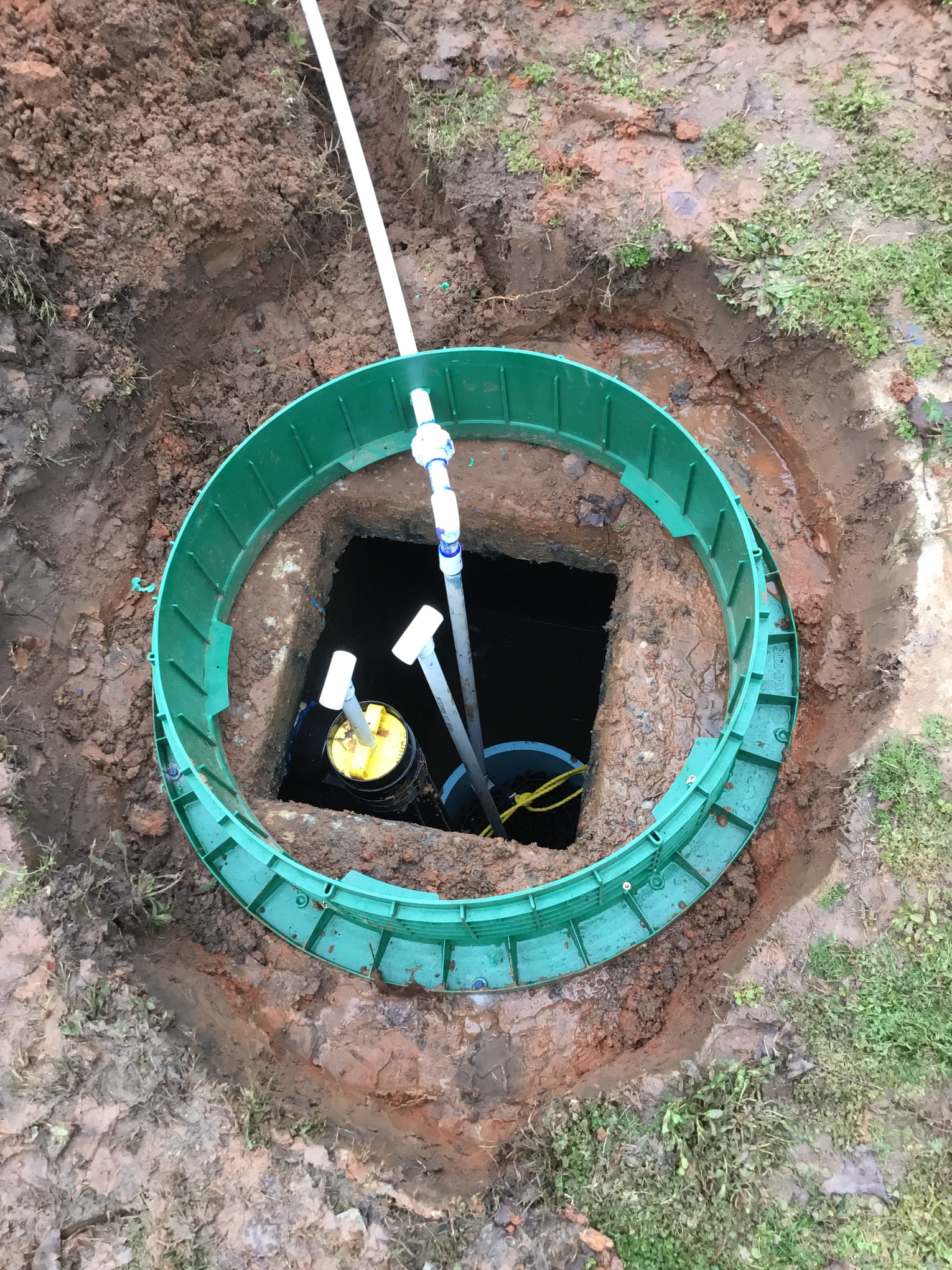
For homes that rely on a septic system, even small habits can make a big difference in how efficiently the system operates. One of the most common causes of septic issues is using the wrong kind of toilet paper or using too much at once. While toilet paper may seem harmless, certain types break down slowly and can accumulate in the tank, creating clogs and backups. Knowing how to choose and use septic safe toilet paper helps protect your system, avoid costly repairs, and ensure wastewater flows smoothly. Sergeant Septic & Rooter helps homeowners maintain clean, efficient systems through proper education and service.
Every time you flush, waste and toilet paper enter the septic tank, where solids separate from liquids. The liquid flows to the drain field for filtering, while solids settle at the bottom of the tank. If toilet paper does not dissolve quickly, it can remain suspended in the tank and clog the pipes or outlet filter. Over time, this buildup can lead to blockages that prevent the tank from working correctly. Non septic safe paper and excessive use are two of the main reasons homeowners experience unnecessary backups or require premature pumping and maintenance.
Not all toilet paper is designed for septic systems. Some brands contain thicker fibers, multiple plies, or additives that slow the breakdown process. Look for packaging labeled “septic safe” or “rapid dissolving,” as these products are made to break apart more easily in water. Single ply paper generally dissolves faster than multi ply options. A simple test can help you decide which brand works best. Place a few sheets in a jar of water, shake it gently, and check how quickly it disintegrates. Sergeant Septic & Rooter recommends using soft but fast dissolving paper to keep your system flowing efficiently.
Even septic safe toilet paper can cause issues when used in large amounts. Using too much paper at once can overwhelm the tank’s natural breakdown process, leading to partial clogs or reduced capacity. Encourage everyone in your household to use only what’s necessary and avoid flushing large wads. If additional paper is needed, consider flushing twice to allow smaller amounts to pass through smoothly. Consistent moderation helps reduce strain on your septic system and lowers the risk of buildup. A few small changes in daily habits can make a big difference in long term septic performance.
Despite marketing claims, most flushable wipes and similar products are not truly safe for septic systems. They are made from synthetic fibers that do not break down easily and can create blockages in pipes or the tank. The same applies to paper towels, tissues, and feminine hygiene products, which can tangle with waste and restrict flow. Only human waste and toilet paper should be flushed into a septic system. Sergeant Septic & Rooter often finds that homeowners who eliminate non flushable items experience fewer clogs and longer periods between required pumping services.
Even with careful toilet paper use, every septic tank needs regular maintenance to stay efficient. Over time, natural waste and paper solids build up and must be removed through professional pumping. Neglecting this service can cause backups, foul odors, or even system failure. Most homes need pumping every three to five years, depending on household size and water usage. Regular pumping not only removes buildup but also allows technicians to inspect filters and baffles for early signs of wear. Sergeant Septic & Rooter provides reliable pumping services that keep systems functioning properly and prevent paper related clogs.
Healthy bacteria inside the septic tank play a major role in breaking down waste and toilet paper. Harsh cleaning chemicals, bleach, or antibacterial products can kill these beneficial microorganisms and slow the breakdown process. To maintain proper bacterial activity, use septic safe cleaners and avoid pouring chemicals down the drain. Some homeowners also use bacterial additives recommended by professionals to support decomposition. Maintaining this balance ensures that waste and paper break down efficiently, reducing the chance of buildup or system failure. A healthy microbial environment helps your septic system work as nature intended.
Catch problems early by paying attention to slow flushing toilets, gurgling drains, or unusual odors. These are often the first indicators that a clog is forming in your tank or pipes. Addressing these issues right away prevents larger and more expensive repairs. A professional inspection can identify whether toilet paper buildup or another issue is to blame. Sergeant Septic & Rooter offers prompt diagnostics and maintenance services to restore normal flow before problems worsen. Staying alert and proactive is the best way to protect your septic system and avoid unexpected plumbing emergencies.
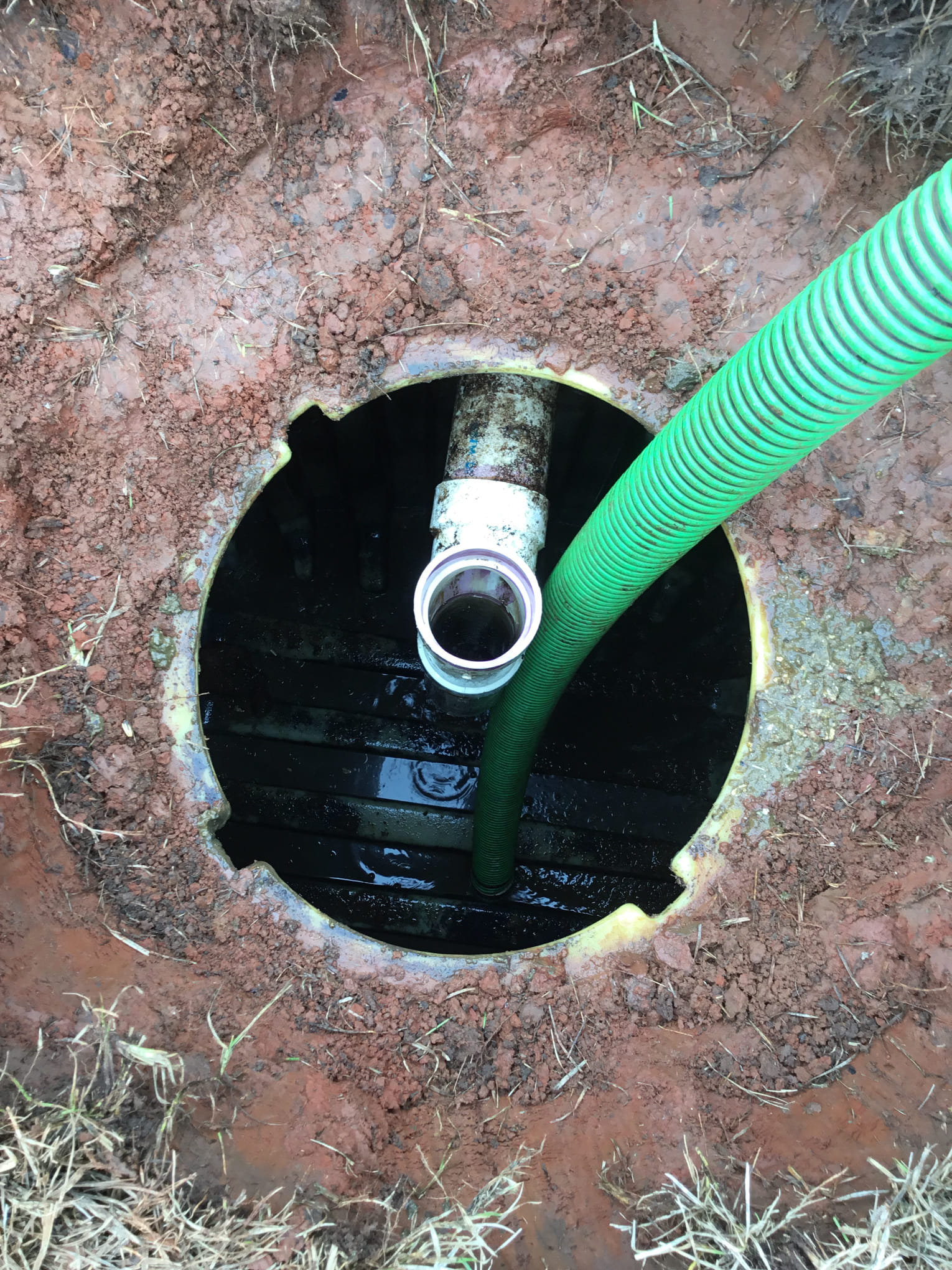
Your septic tank quietly manages one of the most important functions in your home, keeping wastewater flowing safely and efficiently. Over time, however, solids and sludge build up inside the tank and must be removed to prevent backups and costly repairs. Waiting too long between pumpings can lead to slow drains, foul odors, and system failure. Knowing the signs of a full septic tank helps homeowners act before problems begin. Regular maintenance keeps your system running smoothly, protects your property, and extends the life of the entire setup. Sergeant Septic & Rooter provides reliable pumping services that ensure your septic system performs at its best year after year.
Most septic tanks need pumping every three to five years, depending on the household size, tank capacity, and water usage. Larger families or homes with heavy water consumption may need more frequent service. The key is to schedule routine inspections rather than waiting for signs of trouble. A professional technician can check sludge levels and recommend the right pumping schedule for your system. Regular maintenance prevents overflow and damage to the drain field, saving homeowners from costly repairs later. Staying on top of your pumping schedule is one of the simplest ways to ensure your septic system stays clean, healthy, and fully functional.
When a septic tank reaches capacity, wastewater has less room to separate properly, causing drains to slow or gurgle. You may notice sinks, showers, or toilets taking longer to empty or making bubbling noises as air escapes from clogged pipes. These are early warning signs that your tank may be nearly full. Ignoring these symptoms can lead to backups inside the home or wastewater surfacing in the yard. If you experience slow drainage throughout the house rather than in one fixture, it is likely related to the septic system and not a local plumbing blockage. Prompt pumping service can restore smooth flow before serious issues arise.
A healthy septic system should operate without producing noticeable smells. If you begin to smell sewage odors near drains, toilets, or around the yard, it may be a sign that the tank is full or the drain field is struggling to process waste. Gases that normally stay contained in the system can escape when sludge builds up, creating unpleasant and unhealthy conditions. These odors often start mildly and grow stronger over time. Addressing them early prevents contamination and more extensive repairs. Professional pumping removes the excess waste and allows your septic system to function properly again, eliminating the source of the smell.
When your septic tank is too full, wastewater can overflow into the drain field, saturating the soil and creating soggy, foul-smelling patches in the yard. You may also notice unusually lush or green grass above the tank or drain lines because of the excess nutrients leaking from the system. Standing water near these areas indicates that waste is not dispersing correctly underground. This issue should never be ignored, as it can lead to environmental contamination and system damage. If you spot wet spots or unexplained moisture on your property, contact Sergeant Septic & Rooter immediately for an inspection and professional pumping.
One of the most obvious and urgent signs of a full septic tank is wastewater backing up into the home. This usually starts in the lowest plumbing fixtures, such as basement drains or first-floor toilets. The backup occurs when the tank can no longer hold additional waste, forcing it back through the plumbing system. This creates not only a mess but also a serious health hazard. When this happens, stop using water immediately and call a professional septic service. Timely pumping and cleaning will remove blockages and restore safe operation before further damage occurs.
Preventing septic problems is much easier and more affordable than repairing them after they occur. Routine pumping helps maintain proper waste balance, keeps pipes clear, and ensures bacteria inside the tank can continue breaking down solids effectively. It also provides an opportunity for technicians to inspect the tank and catch small issues before they become major ones. Sergeant Septic & Rooter recommends regular maintenance plans that fit your household’s needs, helping you avoid emergencies and keep your system in top condition. A well-maintained septic tank is a long-lasting one, protecting both your property and your investment.
Cooking oils, bacon grease, and leftover fats often seem harmless, but pouring them down the drain can lead to major plumbing and septic problems. When grease cools, it hardens inside pipes, trapping food particles and slowing the flow of water. Over time, this buildup can cause clogs that lead to backups or even damage your septic system. Proper grease disposal keeps your plumbing working efficiently and protects the environment. Homeowners can avoid unnecessary repairs by using simple, safe methods to handle cooking waste. Sergeant Septic & Rooter recommends a few proven techniques to keep your drains clear and your septic system healthy while keeping your kitchen running smoothly.
When grease or oil is hot, it appears like a liquid that can easily be washed away. However, as it cools inside your pipes, it solidifies and clings to the walls. This sticky residue traps food scraps, soap scum, and other debris, creating a thick blockage that grows over time. Even small amounts poured down the drain regularly can lead to serious plumbing issues. In homes with septic systems, grease can float to the surface of the tank, forming a layer that prevents the natural breakdown of waste. Eventually, this leads to clogs in the drain field or backups inside the home. Understanding how grease behaves helps homeowners see why proper disposal is essential.
The easiest way to protect your plumbing is by collecting and storing grease after cooking. Allow the grease to cool until it becomes thicker but not completely solid. Pour it into a metal can, glass jar, or heat-safe container with a lid. Once full, seal it and throw it in the household trash. For smaller amounts, you can wipe pans and utensils with paper towels before washing them. This simple habit removes most of the residue that would otherwise enter the drain. Never pour grease into disposable cups or flimsy plastic containers that can melt. Keeping a designated grease jar near the stove makes it convenient to handle cooking oils safely every time.
Some types of cooking oil, like vegetable or peanut oil, can be reused if they have not been overheated or mixed with food particles. After cooling, strain the oil through a fine mesh or cheesecloth to remove crumbs and debris. Store it in a clean, sealed container for reuse within a few weeks. If you prefer not to reuse it, many communities and recycling centers accept used cooking oil for repurposing into biodiesel or other industrial applications. Recycling helps reduce waste while supporting environmentally friendly energy alternatives. Always make sure oils are fully cooled and placed in leak-proof containers before transporting them to collection sites.
A few everyday habits contribute to grease-related plumbing issues without homeowners realizing it. Running hot water while pouring grease down the sink does not help because the grease will still solidify once it cools farther down the pipe. Dish soap may temporarily break up oils, but it does not prevent them from reforming in the drain or septic system. Grease should never be disposed of in toilets or storm drains either, as this can harm municipal sewer systems and pollute waterways. Instead, take the time to wipe cookware thoroughly and dispose of oils properly. Avoiding these small mistakes can prevent major plumbing problems later.
For homeowners with septic systems, grease poses an even greater risk. Inside the tank, grease floats to the surface and forms a layer that prevents oxygen from reaching the bacteria responsible for breaking down waste. Over time, this can lead to system failure, foul odors, or costly drain field damage. The best prevention is regular maintenance and proper disposal habits. Scheduling professional septic pumping every few years helps remove built-up grease and keeps the system running efficiently. Partnering with a trusted company like Sergeant Septic & Rooter ensures your septic system stays in top condition while preventing problems caused by grease and other household waste.
Septic systems are designed to manage household waste efficiently, but they are sensitive to what is flushed into them. Unlike public sewer systems that have treatment plants to handle a variety of materials, septic tanks depend on natural bacteria to break down waste. Flushing the wrong items can upset this delicate balance, leading to clogs, costly repairs, or even complete system failure. By understanding the right habits and avoiding harmful ones, homeowners can extend the life of their system and protect their property from avoidable damage. Learning what belongs in a septic system and what should never be flushed is one of the most important steps in responsible homeownership.
A septic system works by separating solid waste from liquid waste and breaking down organic material through bacterial activity. When non biodegradable items or harmful chemicals are introduced, the bacteria cannot function properly. This leads to waste buildup, blockages, and eventual system backups. A poorly maintained system not only creates unpleasant odors but can also contaminate the surrounding soil and groundwater. Unlike city sewer connections that spread treatment across an entire network, your septic system relies solely on your household’s habits. This makes it critical to be mindful of what goes down the toilet or drain. Simple changes in daily use can save thousands of dollars in repairs and ensure your system runs smoothly for years.
Using your septic system correctly starts with following a few essential practices. Always flush only human waste and septic safe toilet paper. These materials are designed to break down quickly and will not harm the bacteria inside the tank. Be mindful of water use to avoid overloading the system. Repair leaks promptly and spread out laundry loads throughout the week instead of washing everything in one day. Regular pumping is another important step, usually required every three to five years depending on the size of your tank and household. Keeping up with inspections and maintenance appointments ensures small issues are caught early. These habits help the tank maintain balance and improve its overall performance.
Just as important as the right habits are the things you should never do with a septic system. Never flush paper towels, wipes, diapers, feminine hygiene products, or cotton swabs. These items do not break down and quickly create clogs in the pipes or the tank. Avoid pouring grease, oils, or fats down the drain, as these harden inside the system and reduce its efficiency. Strong cleaning chemicals, paints, and solvents should also be kept out of drains because they kill the bacteria that make the system work. Cat litter, coffee grounds, and cigarette butts are additional culprits that can build up and restrict flow. Even products labeled as flushable are not safe for septic systems and should be thrown away instead.
When harmful items are flushed, the effects may not appear immediately, but they build up over time. Non biodegradable materials settle at the bottom of the tank and reduce the space available for actual waste. This forces the system to work harder and can cause solids to flow into the drain field, where they block the soil’s ability to absorb water. Once the drain field is damaged, repairs are extremely expensive and often require replacing the entire system. Chemical cleaners disrupt the bacterial ecosystem, leaving waste untreated and creating foul odors. In severe cases, sewage can back up into the home, creating health hazards and costly cleanup. All of these problems can be avoided with careful daily habits.
Maintaining a septic system goes beyond just avoiding harmful flushing. Homeowners should establish a regular pumping schedule and keep records of all service dates. Marking the location of the tank and drain field ensures easy access for maintenance crews. Conserve water whenever possible by installing low flow fixtures and spreading out high use activities. Landscaping also matters since tree roots can invade pipes and cause leaks. Be cautious about parking or driving heavy vehicles over the drain field, as the pressure can compact soil and damage lines. By combining these tips with proper flushing habits, you create a strong foundation for a long lasting and reliable septic system.
Georgia is no stranger to sudden storms, tropical weather, and long stretches of heavy rain. While most homeowners think first about their roof, gutters, or basement flooding, one of the most vulnerable systems on your property is often overlooked, your septic system. Because your septic system relies on the soil to process wastewater, excess rainwater can overwhelm it, causing backups, unpleasant odors, and expensive repairs. At Sergeant Rooter & Septic, we have seen firsthand how stormwater impacts septic systems across Georgia, and we want to help homeowners understand the risks and take preventive steps.
A septic system works by moving wastewater into a tank where solids settle to the bottom and lighter materials float to the top. The liquid effluent then flows into the drain field where soil naturally filters and breaks it down. When heavy rain saturates the ground, the soil becomes waterlogged and loses its ability to absorb effluent. Instead of moving downward through the soil, wastewater can rise to the surface or even flow back into your home.
Clay soils, which are common across much of Georgia, are particularly prone to drainage issues after heavy rain. Because clay is dense and drains slowly, once it becomes saturated, water has nowhere to go. This creates pressure on your septic tank and drain field, sometimes forcing sewage to bypass normal filtration. Understanding how weather conditions and soil type interact with your system is key to preventing costly damage.
After significant rainfall, your septic system may begin showing signs of stress. Slow or gurgling drains in sinks, bathtubs, and toilets often indicate that wastewater is struggling to exit the plumbing system. Wet, mushy patches in your yard or standing water near the drain field suggest that effluent is surfacing instead of filtering into the soil. A strong sewage odor outside or inside your home is another red flag that the system is overloaded.
One of the more subtle signs is grass that grows unusually green or thick over the drain field, even when the rest of your lawn looks normal. This can mean untreated wastewater is rising to the surface and fertilizing the grass. While this may not sound alarming at first, it indicates your septic system is no longer functioning as it should, and untreated effluent can create both health and environmental hazards.
The good news is that there are several preventive measures homeowners can take to reduce the strain on septic systems during rainy periods. Before storms arrive, make sure your roof gutters, downspouts, and surface drains are directed away from the drain field. Excess rainwater should not be allowed to pool near the tank or leach lines. Avoid placing heavy vehicles, sheds, or paved surfaces over the drain field, as these compact the soil and reduce its ability to absorb water.
During extended rainy weather, reduce household water usage whenever possible. Spreading out laundry loads, shortening showers, and limiting dishwasher cycles can significantly ease the burden on your septic system. If flooding does occur, resist the temptation to immediately pump your tank. When the ground is saturated, pumping can cause the tank to float or shift out of place, damaging connections and pipes. Instead, call a septic professional to evaluate the situation and recommend safe timing for pumping or repairs.
Routine professional inspections are one of the most important tools for preventing septic problems related to heavy rain. A qualified technician can determine if your drain field is handling wastewater correctly, whether high water tables are threatening your system, and if there are any signs of root intrusion or pipe failure. Inspections also give you the chance to address small concerns before they escalate into emergencies.
At Sergeant Rooter & Septic, we take a proactive approach. We use specialized equipment to evaluate your system’s condition and identify vulnerabilities that might be worsened by severe weather. Our team also offers advice on long term solutions such as adding additional drain lines, installing risers for easier access, or improving site grading and drainage around the system. These measures not only protect your septic system during storms but also extend its overall lifespan.
Heavy rain and flooding are facts of life in Georgia, but septic system failure does not have to be. By taking preventive steps, watching for warning signs, and scheduling regular inspections, you can keep your system working efficiently regardless of the weather. At Sergeant Rooter & Septic, we are committed to helping homeowners safeguard their property and avoid costly repairs. If you notice problems after a storm or it has been years since your last septic inspection, call us today. With the right care and expertise, your septic system will stay strong through every season.
 (478) 449-1288